1972 /
THE BAKERY
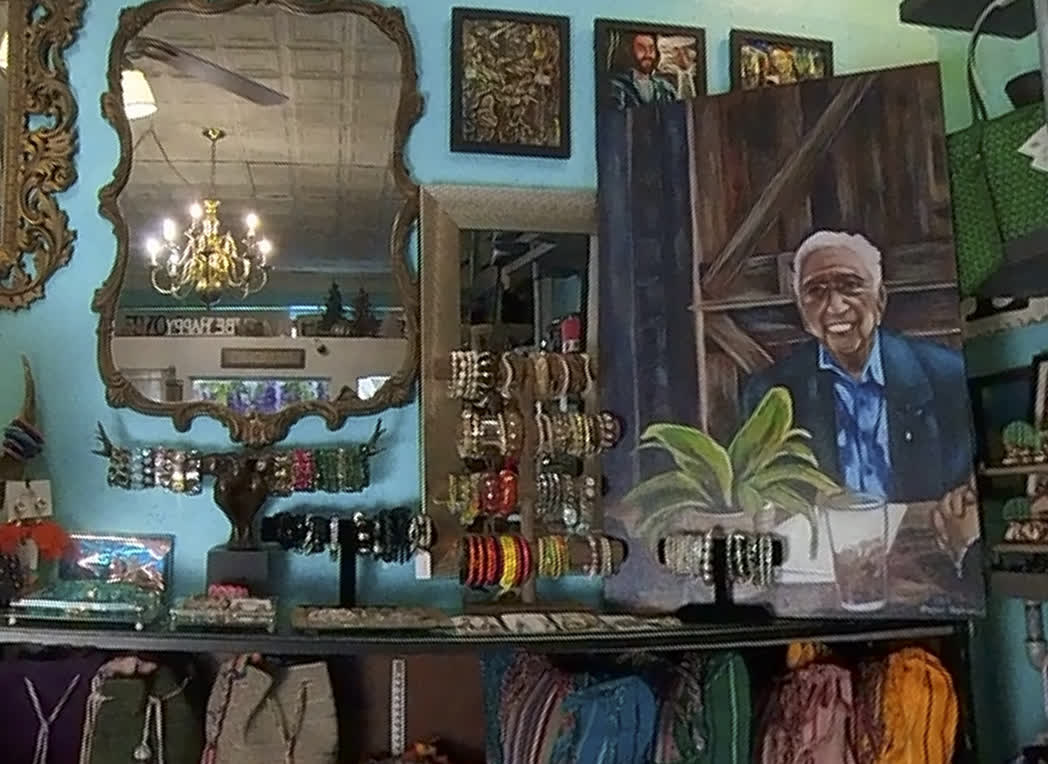
He spent more than eight decades of his life baking.
“I hope you sell
everything today.”

SPOTLIGHT
The Shop Beside the Bakery
Come for
the color.
Stay for
the stories.
At Lolita on Blanco, family legacy, cultural memory and a changing neighborhood live side by side
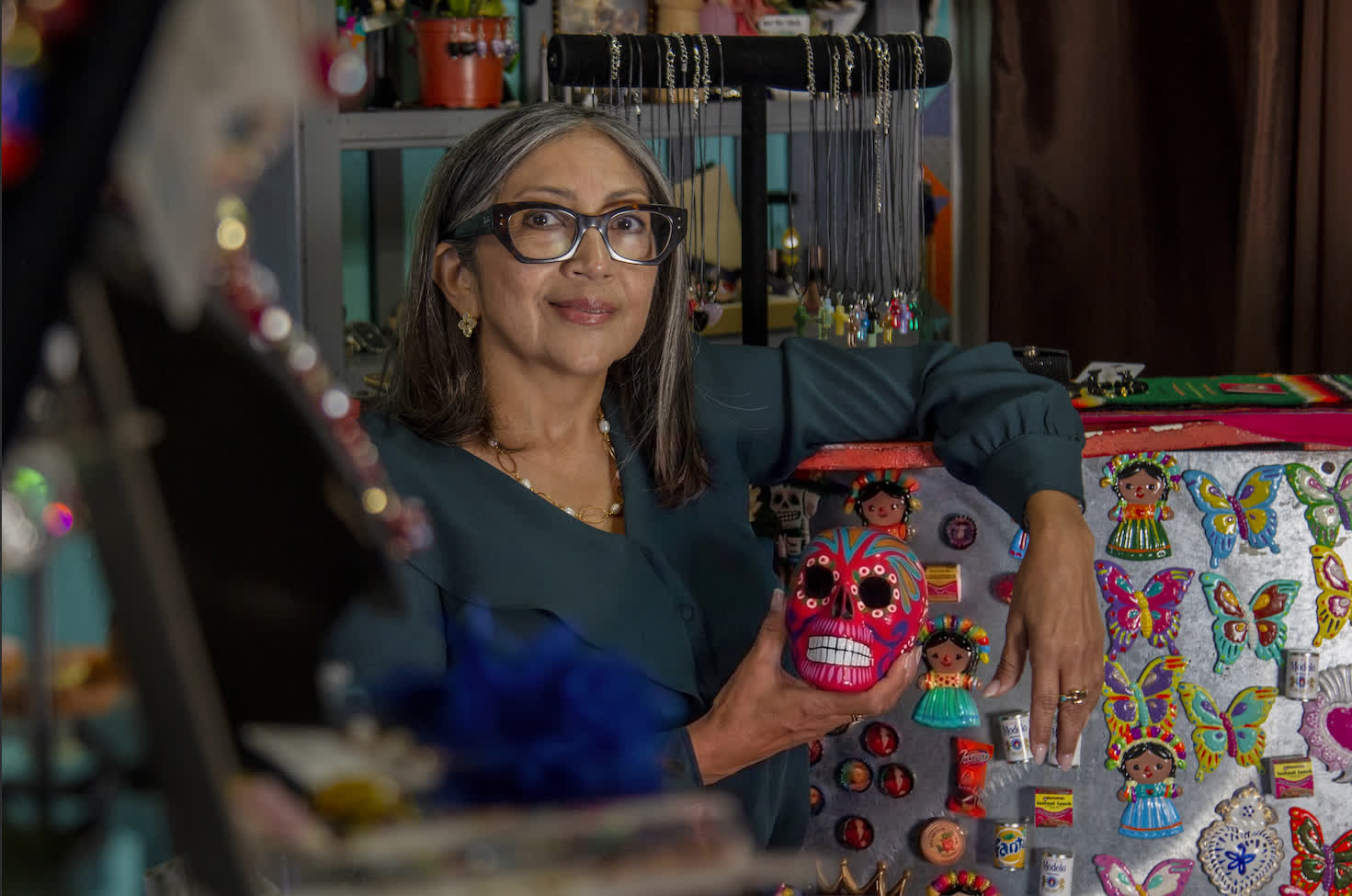
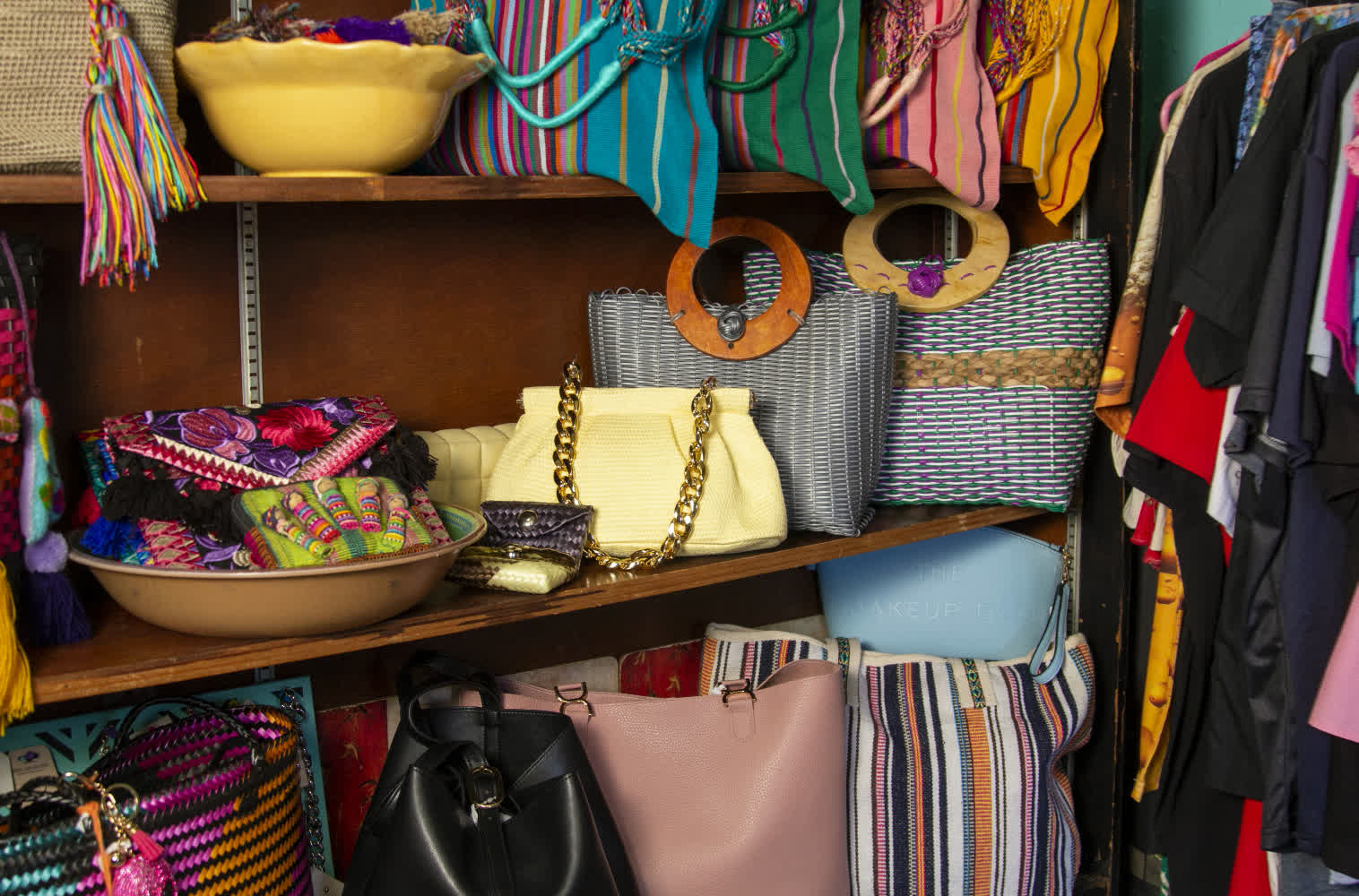
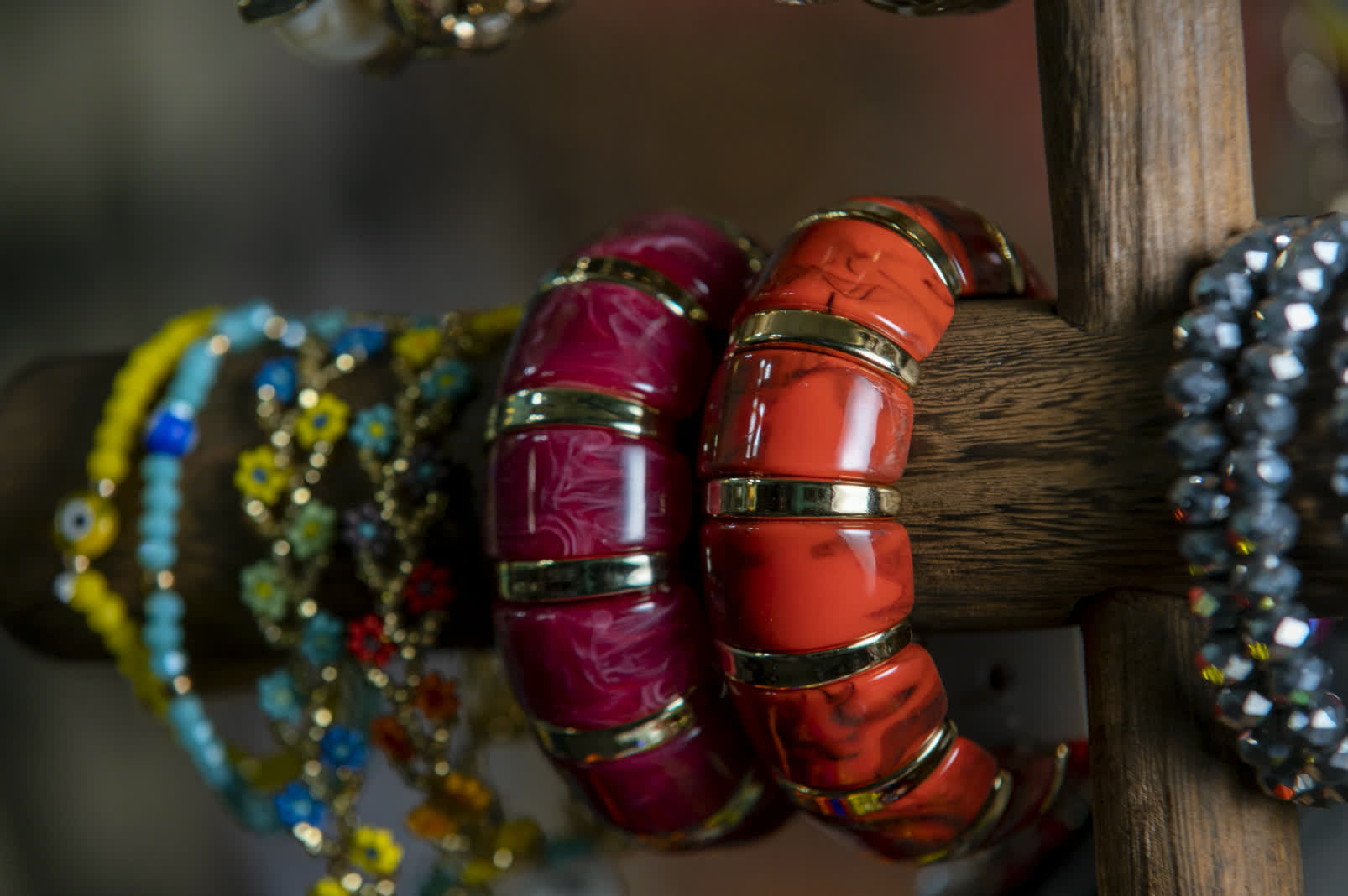
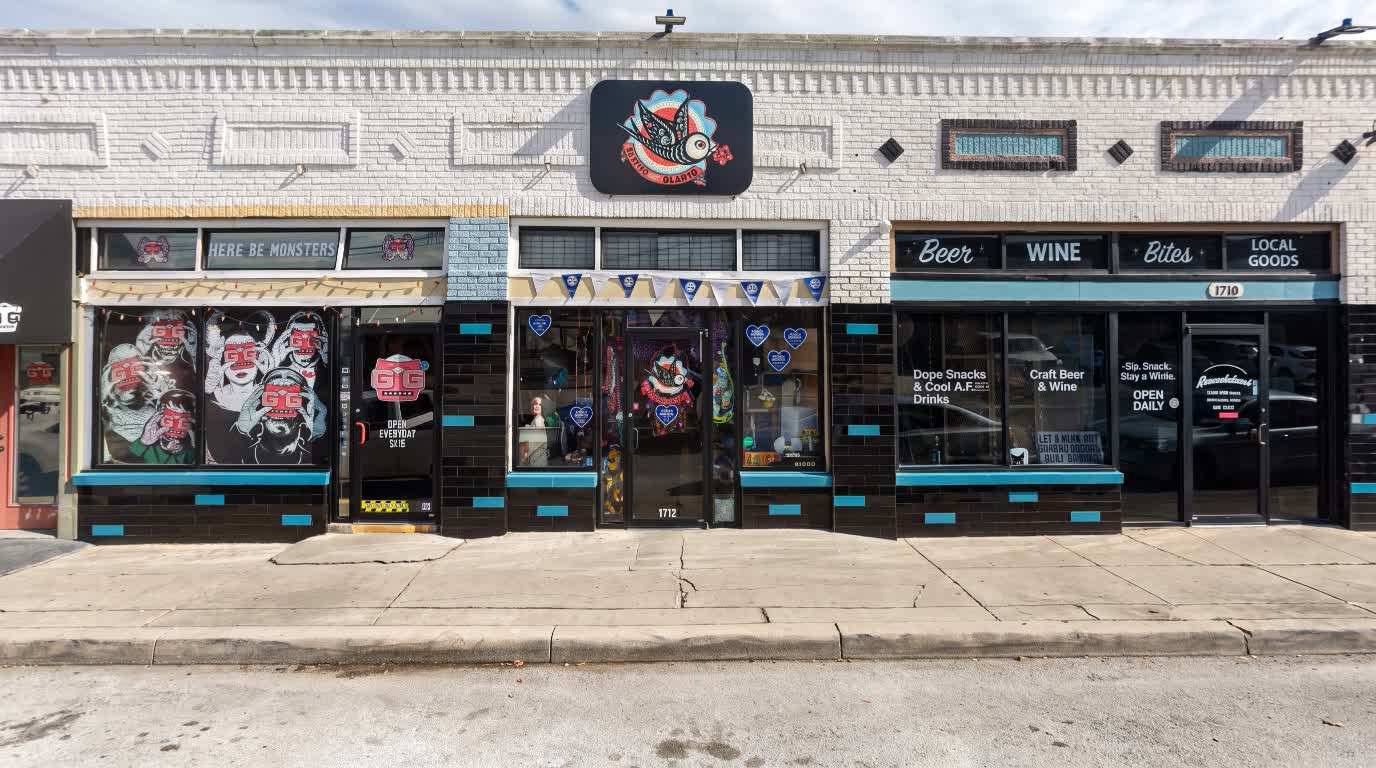
Before Lolita on Blanco became a colorful boutique filled with jewelry, handbags, embroidered clothing and Talavera pottery, it began with an empty storefront and one clear intention.
Leti Jimenez wanted to be near her father.
He spent more than eight decades of his life baking.
“I hope you sell
everything today.”

At Lolita on Blanco, the recommendation comes from a woman who remembers you.
You may discover something special
to take home with you.
THE STORY BEGINS
Her mother had passed away on Christmas Day in 2006. At the time, Leti had a conventional job with Allstate, but grief has a way of rearranging what matters. When a space became available beside her father’s bakery on Blanco Road, she signed the lease.
She did not have a business plan. In fact, she did not yet know what kind of business she was opening.
For the first several weeks, Leti sat inside the empty shop while her brother came over from the bakery next door to keep her company.
“What are you going to do in here?” he asked.
“I don’t know,” she told him, “but I better do something because rent’s coming.”
So Leti went home, cleaned out her closet and filled the store with clothing, purses, jewelry and, as she remembers it, “all kinds of crazy stuff.”
The rest became history, not only the history of a small business, but the continuation of a family’s place within a San Antonio neighborhood.
THE STORY CONTINUES
Leti’s father opened his bakery in 1972 and operated it for nearly 50 years. He had begun learning the trade in Mexico when he was only six years old. Baking was initially a means of survival: he worked in exchange for money or bread to feed himself. Over time, necessity became craftsmanship, and craftsmanship became a lifelong calling.
By the time he closed the bakery shortly before the COVID-19 pandemic, he was 88 years old. He had spent more than eight decades of his life baking.
Even during his final years, while undergoing dialysis, his identity as a baker remained intact. Every Saturday, he arrived at dialysis carrying a large bag of bread for the staff. One day, a nurse asked Leti where he purchased it.
“He bakes it,” she answered.
The nurses had assumed he was joking.
He was not.
He baked the bread, delivered it to them and then sat through four hours of dialysis.
In anthropology, culture is not limited to grand monuments, formal ceremonies or objects preserved behind museum glass. Culture is also transmitted through ordinary repetition: the food a family prepares, the work performed each morning, the objects used around a dinner table and the phrases repeated so often that they become a kind of inheritance.
For Leti, that inheritance was her father’s devotion to his work.
Even at 92, he walked every day. The day before he died, he was inside her shop. He frequently told her he was praying for the store, and whenever he left, his parting wish remained the same:
“I hope you sell everything today.”
Some of Leti’s relatives and longtime customers now repeat those words as they walk out the door. What may sound like a simple farewell carries the weight of family ritual. Each time it is spoken, her father briefly returns to the shop beside his bakery.
“He passed away two years ago, and until this day, I still have people who come in here asking about the bakery, asking about Mr. Jimenez,” Leti says. “It definitely lightens my heart to know that his presence is still here.”
THE STORY CONTINUES
That presence extends beyond memory. It lives in the relationships that made the store possible.
When Lolita on Blanco opened 19 years ago, there were few retail businesses surrounding it. A small antique shop operated across the street for a time, but Leti was largely alone. What she did have was the bakery next door, the nearby restaurant and a community that already knew the Jimenez family.
As a girl, Leti had helped her father in the bakery. Her brother later directed bakery customers toward his sister’s new store. Leti displayed some of her pottery inside the bakery, allowing one family business to introduce the next.
She never paid for conventional advertising. Her earliest form of marketing was kinship, proximity and word of mouth.
From an anthropological perspective, Lolita on Blanco demonstrates how small businesses often function as more than commercial spaces. They become social spaces, places where familiarity is exchanged alongside goods and where purchasing something is secondary to being recognized.
Leti does not begin by asking customers what they want to buy. She asks whether they ate at Blanco Cafe, how their day has been or whether they worked that day. Someone may sit and talk with her for 30 minutes without purchasing anything, and that is perfectly fine with her.
“I really get to know the person,” she says. “I don’t think it’s ever been for me to push items on anybody.”
Over the years, she has learned her customers’ tastes. She remembers who loves blue, who wears hoop earrings and who might appreciate a particular handbag. The store may serve many people, but the experience inside it remains personal.
That kind of familiarity is increasingly rare in a world shaped by anonymous online shopping and algorithmic recommendations. At Lolita on Blanco, the recommendation comes from a woman who remembers you.
If Leti does not appear to have what someone needs, she has a customary response: “Please hold.”
Then she disappears into the back room and often emerges carrying precisely the thing they hoped to find.
The merchandise also tells a broader cultural story. Leti hand-selects items from trusted vendors, many of whom she has worked with for years. The store carries paintings by local artist Oscar Galvan, who created and gifted Leti a portrait of her father. It also carries handmade goods from Mexico, embroidered blouses, seasonal shawls and sweaters, jewelry, handbags and Talavera pottery.
For Leti, the pottery is especially meaningful.
She remembers visiting her grandmother’s house as a child and seeing clay pots used for family meals. They were not displayed as decorative cultural artifacts. They were simply the dishes people used.
For a period, those objects fell out of fashion or disappeared into the backs of cupboards. Today, customers actively seek them out.
“That was stuff they used,” Leti says. “Back in the day, it was just something normal. That’s what they had.”
Her observation illustrates the changing social life of an object. A clay pot can begin as an everyday household necessity, become viewed as old-fashioned and later return as a cherished expression of heritage. Its physical form remains largely the same; what changes is how each generation sees it.
The renewed appreciation for Talavera, embroidery and handmade Mexican goods is not merely a design trend. For many customers, these pieces offer a tangible connection to childhood, family and home. They hold the colors of remembered kitchens and the textures of earlier generations.
Leti’s shop is open Wednesday through Sunday. She is also there 99 percent of the time on Mondays and Tuesdays, usually working on something behind the scenes.
Come by, say hello and look around.
You may discover something special to take home with you.
And if you happen to leave without buying anything, that is perfectly all right.
Leti will remember you when you return.