
REALTOR SPOTLIGHT
Finding More Than an Address
Meet the local experts connecting Texans with homes, neighborhoods and communities that fit the way they live.

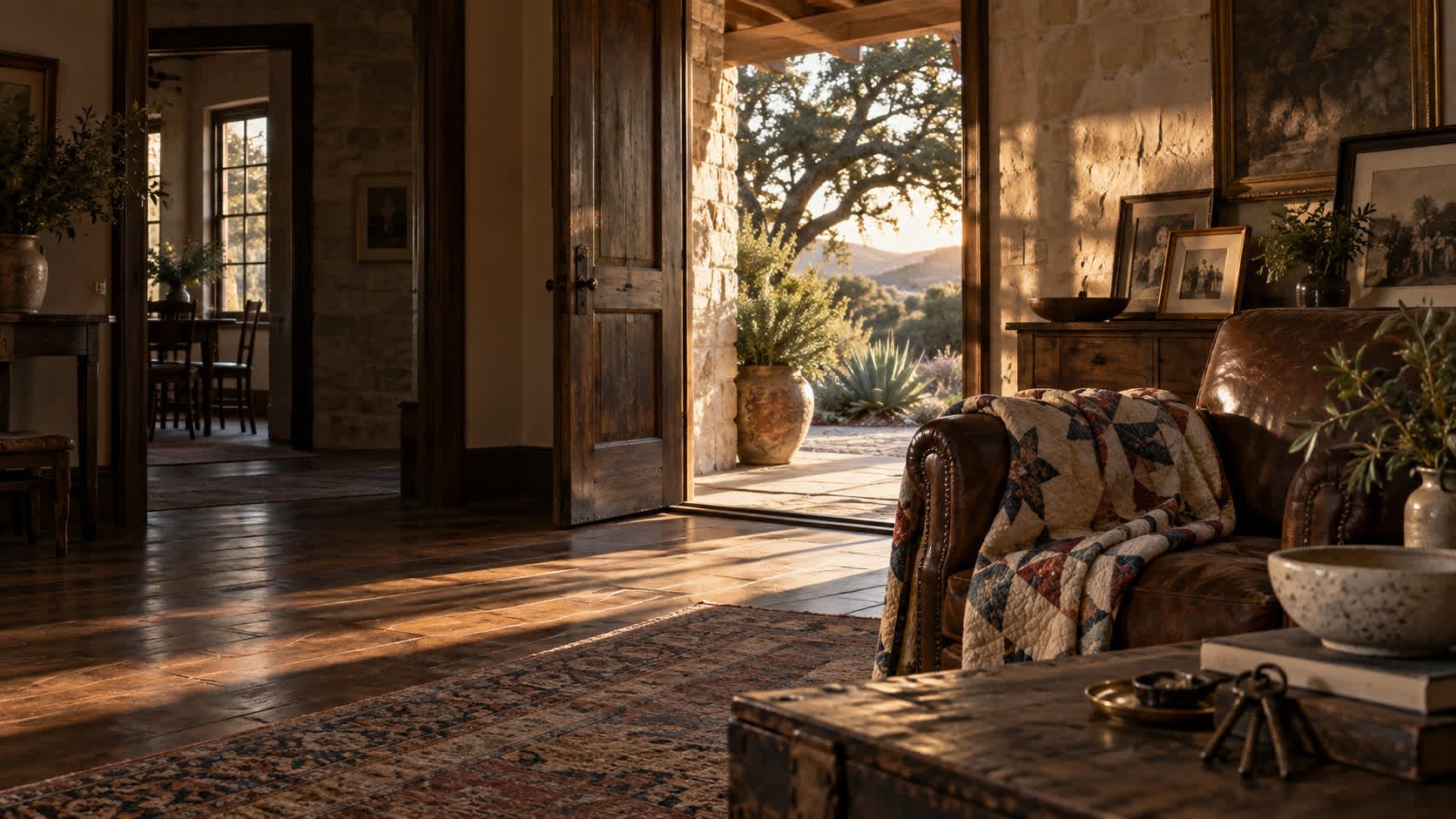
Inside the homes, histories, and personal journeys that define life across Texas.
Explore the StoriesLiving • San Antonio
There's a particular smell to San Antonio in the early morning: river water, wet limestone, and something frying somewhere nearby that you can't quite place but already want. It's not a glamorous smell. It's not trying to be. San Antonio has spent three hundred years being exactly what it is, and it has absolutely no interest in your opinion about it.
I came here looking for the line between luxury and simplicity, the way I did everywhere else in Texas, half-expecting San Antonio to hand me a clean answer. It didn't. What it handed me instead was a shrug, a breakfast taco, and a very strong suggestion that I was asking the wrong question. In San Antonio, luxury and simplicity don't compete. They're cousins who show up to the same backyard barbecue and somehow never fight.
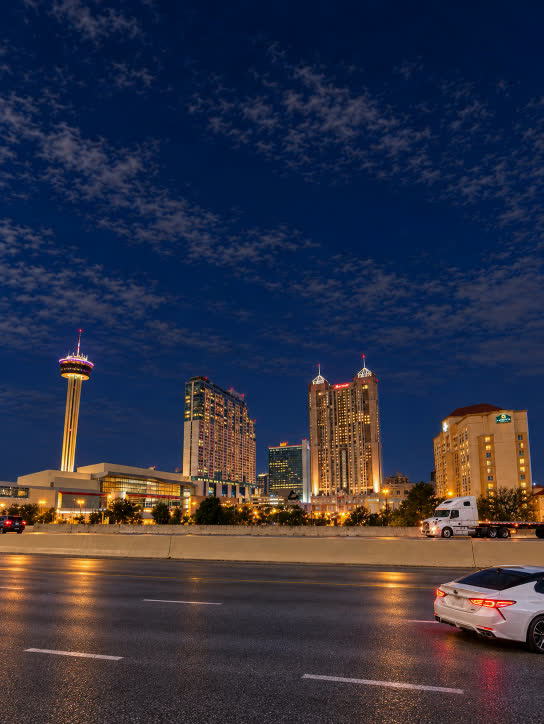
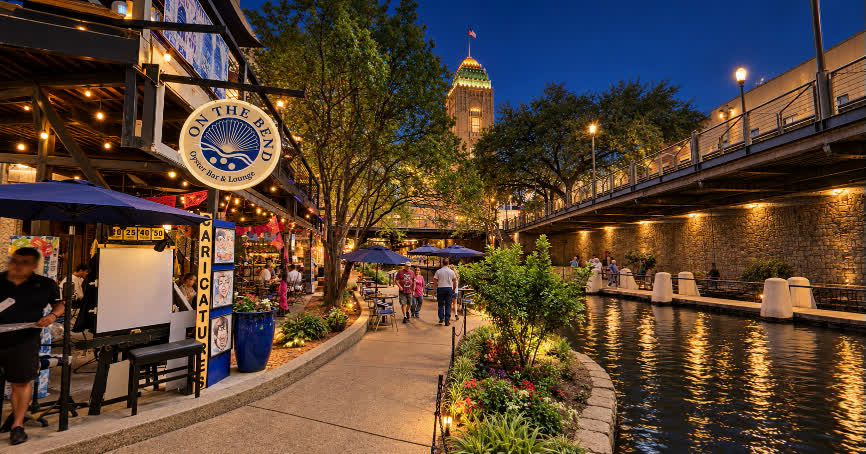
Start where everyone starts, at the River Walk, and you'll think you understand the city: tourists, margaritas the size of fishbowls, mariachi drifting off a hotel patio. It's easy, and a little unfair, to write the whole city off from there. But walk twenty minutes north, up past the Pearl, and the river changes its mood entirely. The crowds thin out. The pace drops. You find joggers, families, old men on benches doing absolutely nothing with tremendous commitment. Same water. Completely different city.
The Pearl itself is San Antonio's answer to reinvention. It's an old Pearl Brewery complex turned into a district of chef-driven restaurants, a farmers market, condos that cost more than some ranches. It's polished. It's a little self-aware. But it works, mostly because the people running it grew up here and know better than to fake the accent.
Drive a few minutes north and you land in Alamo Heights, where the live oaks are older than most American cities and the houses sit back from the road like they've got nothing to prove. This is San Antonio's version of old money. It's quieter, less chrome-plated than Houston's, more likely to be found in jeans at the feed store than in a blazer at a gala. Wealth here wears itself like a well-broken-in boot: expensive, but you'd never guess it just by looking.
There's a particular restaurant in this part of town where the tasting menu runs eight courses and every plate whispers "South Texas" without shouting it. There's hill country lamb, Gulf shrimp, a mole that took three days and tastes like it. It's fine dining that still remembers where it came from. That, more than the chandeliers, is the real luxury here.
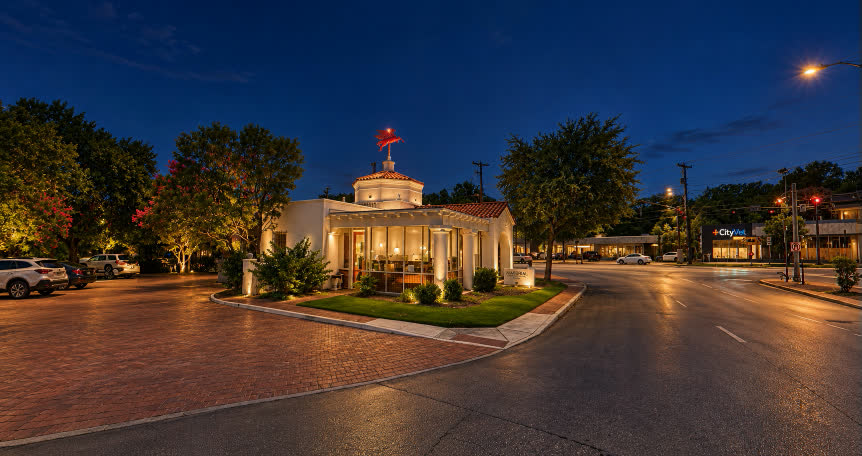
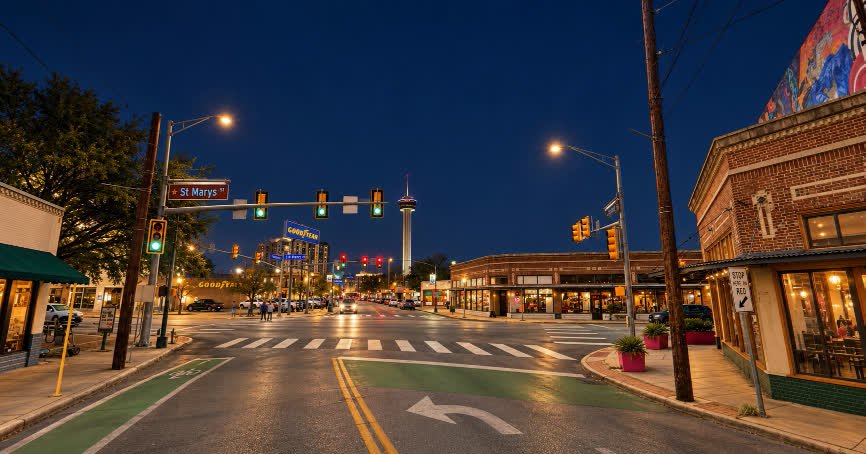
But if you want San Antonio's actual heartbeat, skip the tasting menu and go to Southtown, where King William's Victorian mansions stand a few blocks from taquerias that have been open since before anyone thought to call this neighborhood "up and coming." This is a city where old wealth and old work sit on the same street and mostly get along.
Get a breakfast taco here. It might be barbacoa, wrapped in a flour tortilla made that morning by someone's tía, and you'll understand something about San Antonio that no steakhouse can teach you. This is a city built by hands, not just money. Mexican, German, Spanish, Indigenous. The layers show up on every plate, in every wrought-iron gate, in the Spanish tile on a hundred-year-old roofline. Nobody here is pretending the city sprang from nothing. It's proud of its scars.
The people creating, selling and shaping the places Texans call home.
REALTOR SPOTLIGHT
Meet the local experts connecting Texans with homes, neighborhoods and communities that fit the way they live.

HOMEBUILDER PROFILE
Inside the vision, craft and decisions behind homes designed for this place and its people.

